ABOUT THE LITTLE FARM
First came Orcas. Then came the farm.
We didn't exactly plan it this way.
We didn’t move to Orcas to build a farm.
But apparently the field had other ideas.
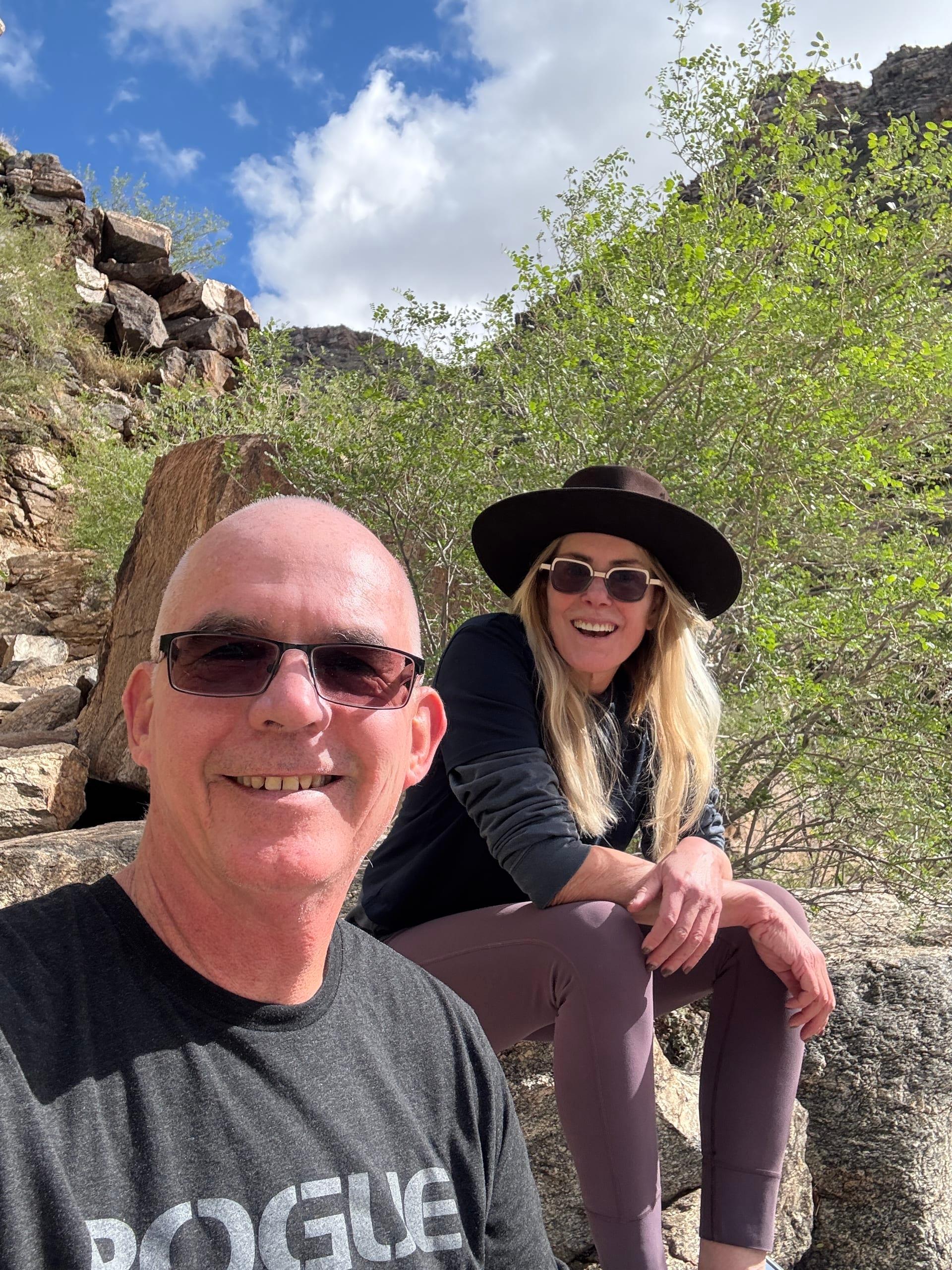
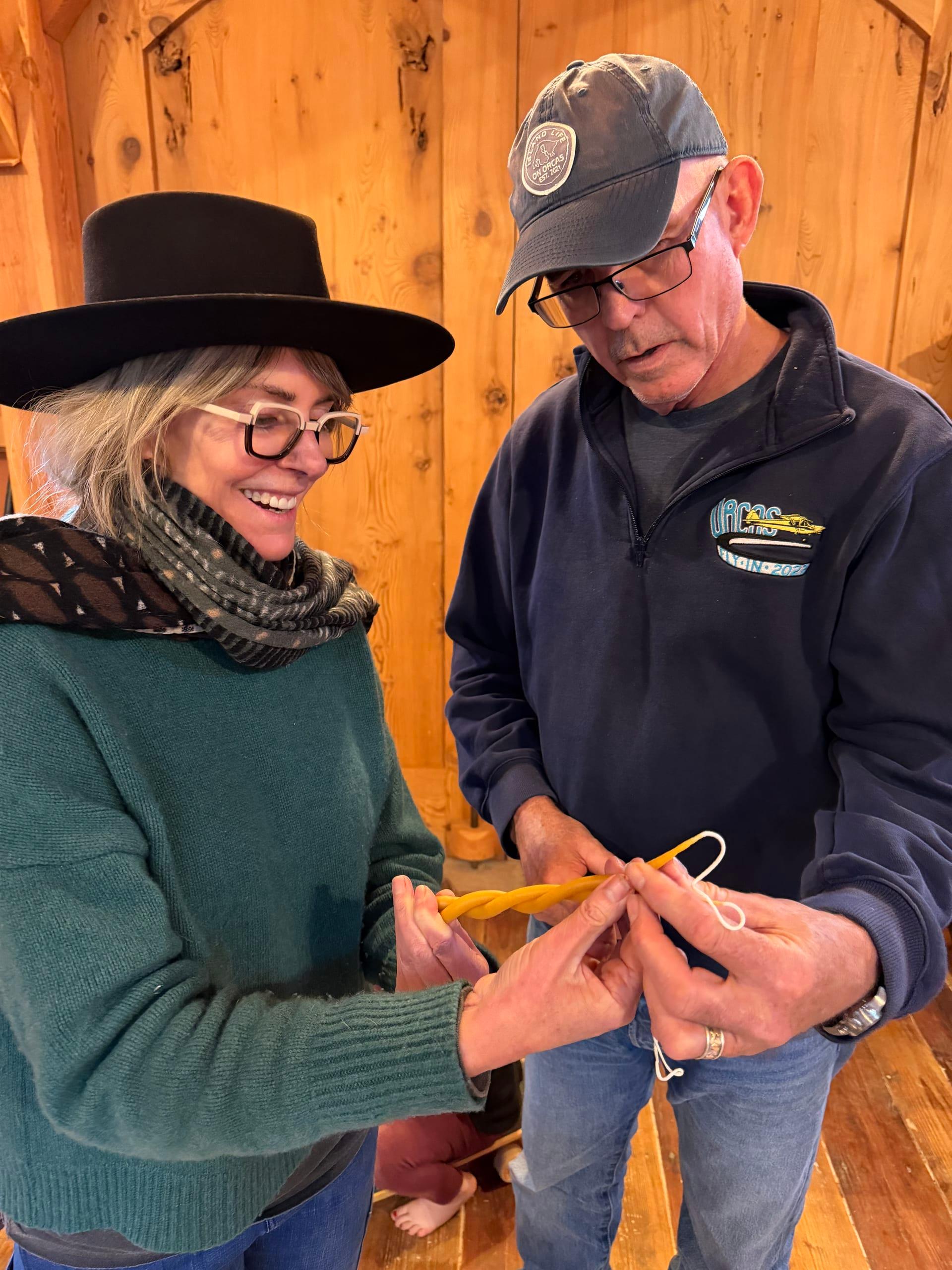
We’re Carol and Allan.
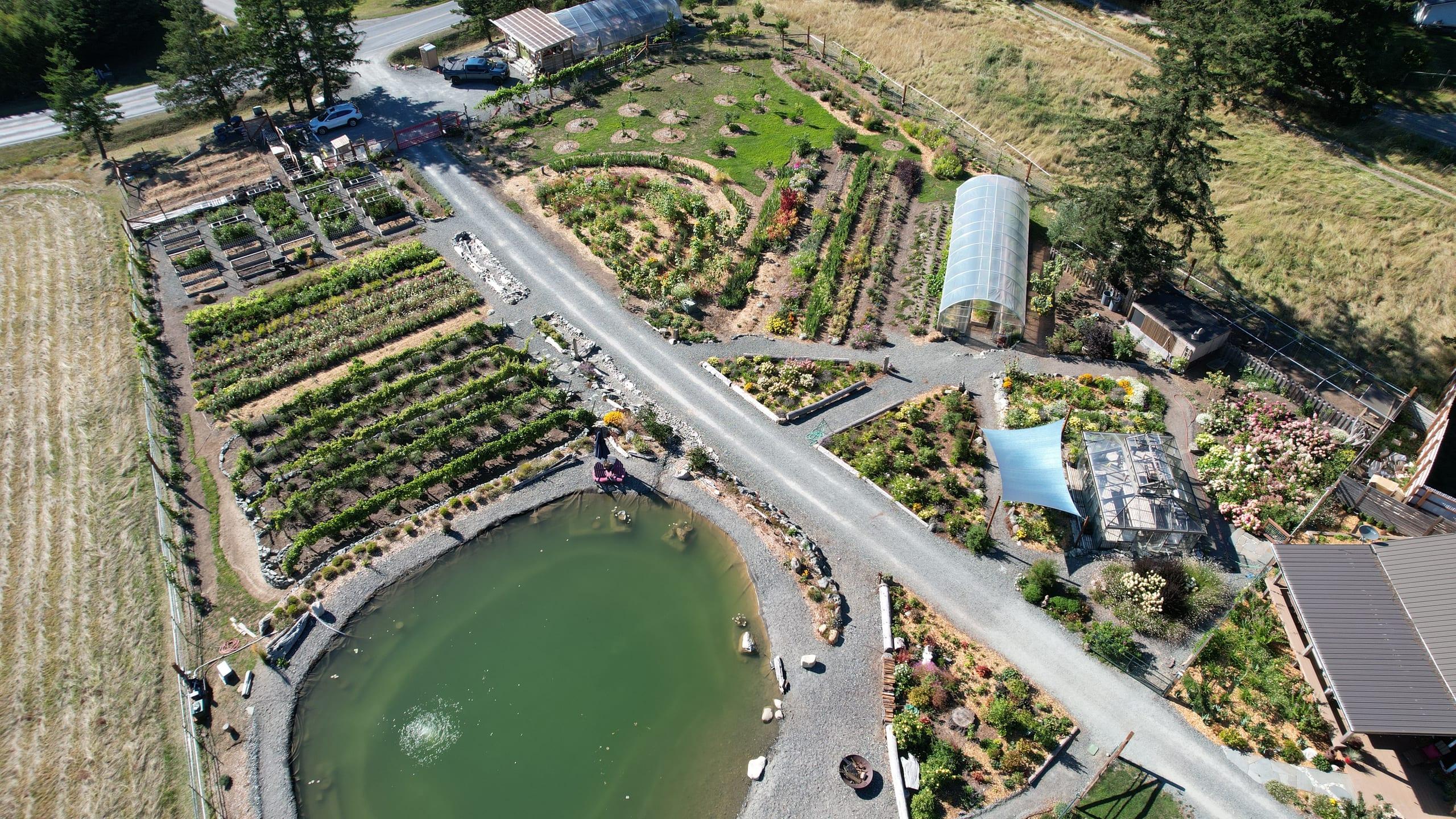
We moved to Orcas Island and fell hard for this place. What began as a field beside our home slowly became something neither of us had quite planned: gardens, greenhouses, raised beds, fruit trees, flowers, a farm stand — and eventually a place we wanted to share with other people.
We built it a little at a time.
And we’re still building it. We design with the season.
That means flowers, skincare and pottery will be unique — and genuinely of this place and this particular moment in the garden.
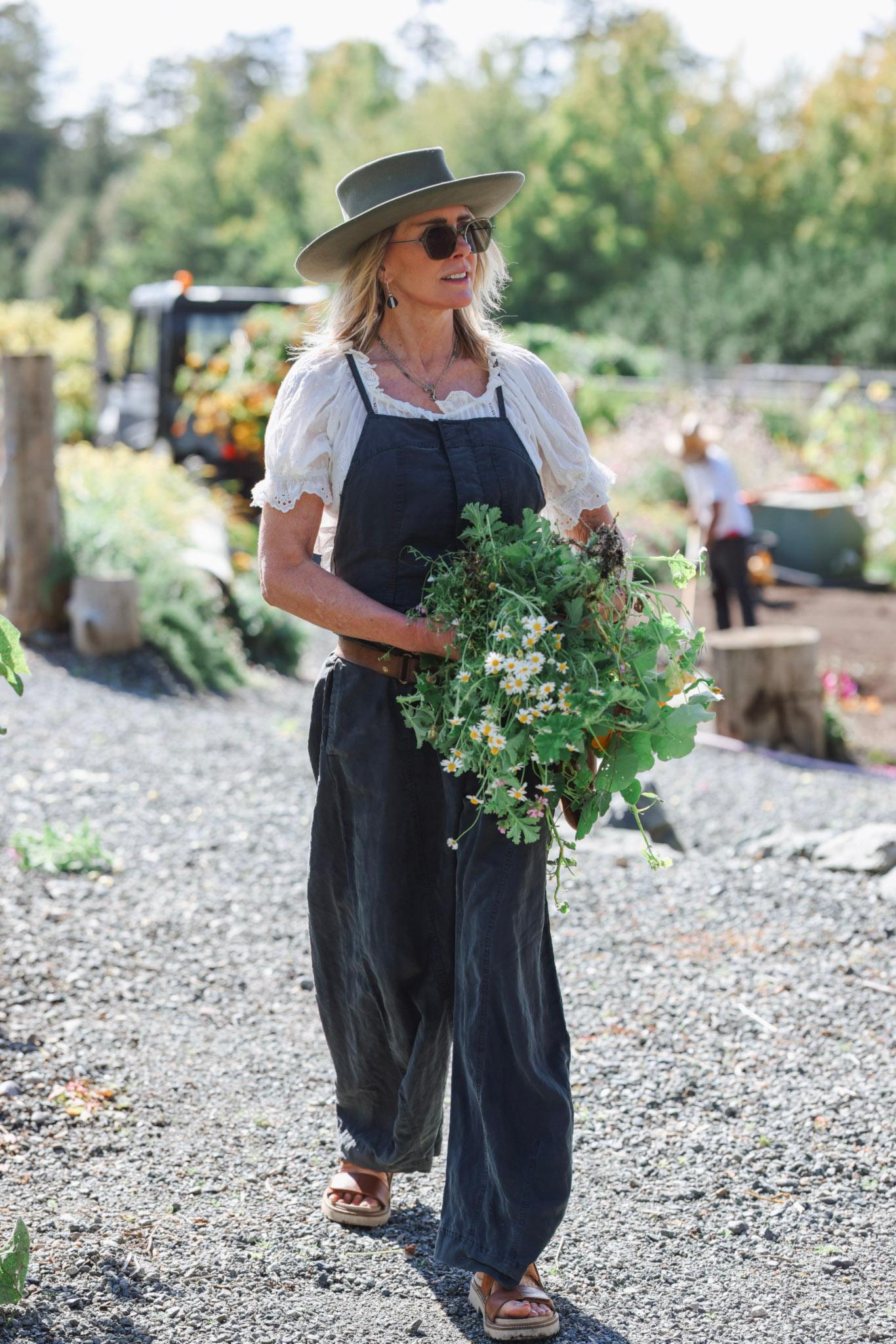
Carol Grows Things
Flowers. Vegetables. Herbs. Fruit. Occasionally things she has absolutely no business trying to grow in the Pacific Northwest.
She’s happiest with dirty hands and too many projects.
The flowers led to floral design. The garden led to skincare. Pottery led to vessels for the flowers.
One thing tends to become another around here.
Allan Builds Things
If Carol can imagine it, Allan figures out how to build it.
Barns. Hoop houses. Irrigation. Electrical systems. Greenhouses. Farm stands. Websites. And probably something Carol hasn’t thought of yet.
The Little Farm looks the way it does because Carol and Allan love digging into projects and aren't afraid of hard work. The pond, rock work, and permaculture vibe, all came about from talented people on island.
Learn more about the folks who have contributed to the vision in Carol's Little Farm Journal.
A Farm for More Than Us
Flowers aren’t only here to be cut.
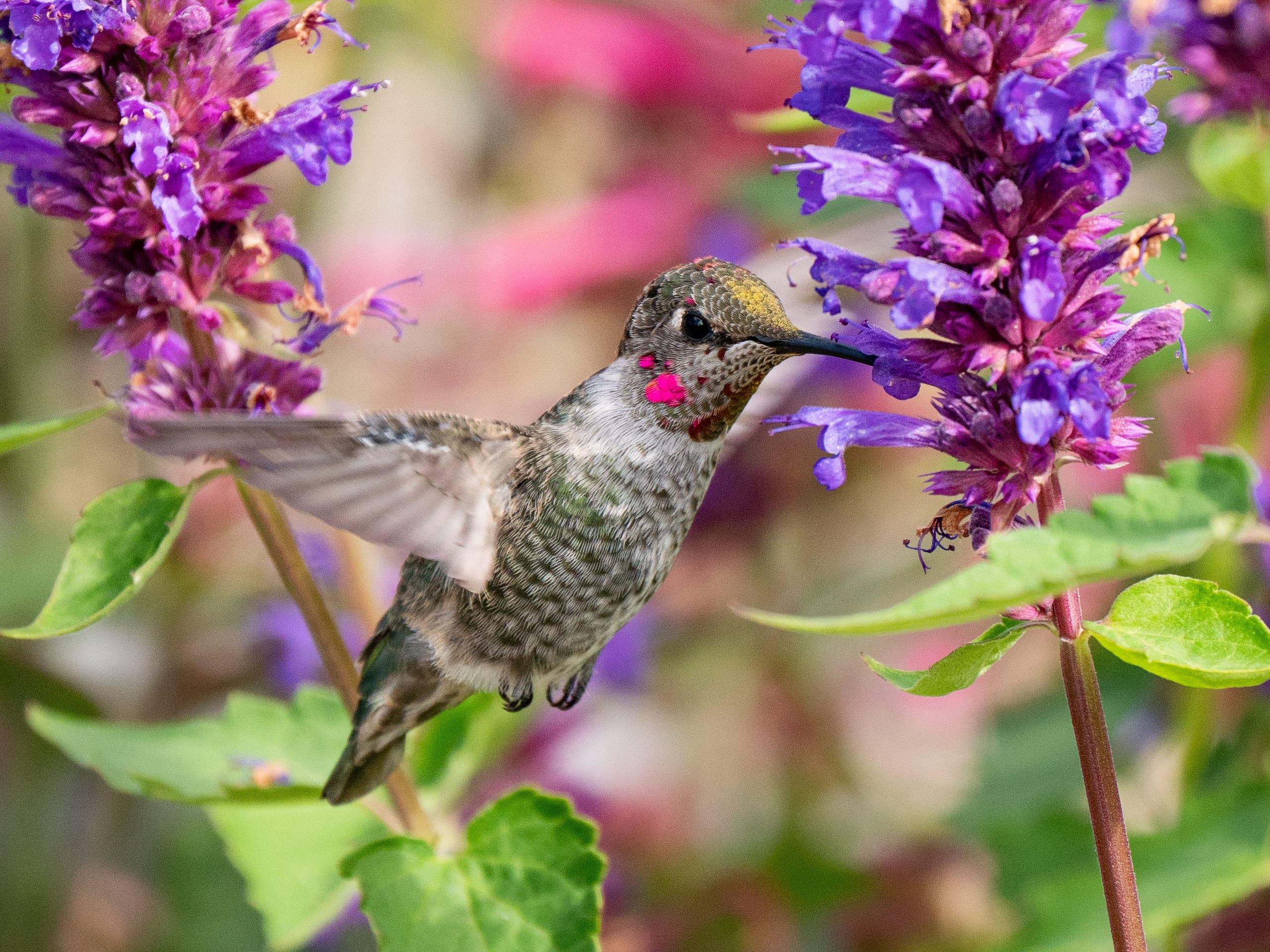
Carol increasingly leans into flowering perennials and allows her blooms to remain in the landscape longer so bees, butterflies, birds and other pollinators get their share.
The Little Farm is a mix of flowers, vegetables, herbs, and fruit. We now have living soil, think carefully about water, avoid practices that harm pollinators and keep learning what this particular piece of Orcas Island asks of us.
We’re not trying to make the biggest farm. We’re trying to make this little one better.
The easiest way to understand the farm is to come see it.